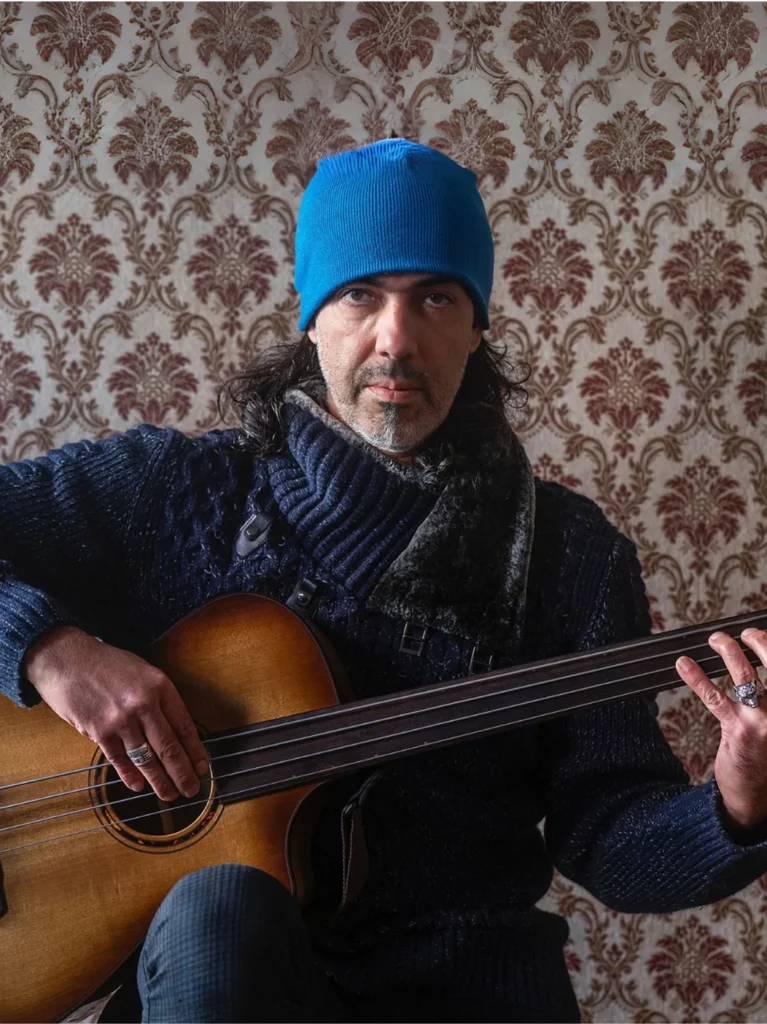
A Fado that Unites Us
A Space Created by Musicians, Dedicated to the Soul of Fado.
Cais do Fado is a space created by musicians deeply connected to traditional Fado, dedicated to preserving the great classics that mark the soul of this unique expression. Here, each fado singer has the freedom to build their performance spontaneously, without a fixed program, in an authentic communion with the audience, just like in traditional Fado houses.
More than just a stage, Cais do Fado is a place where emotions and stories find a voice, and where the audience becomes an active part of this unique experience. Also open to other musicians and artists, the space is enriched with diverse artistic expressions that complement the magic of Fado.
This is a living tribute to Portuguese tradition and essence, an invitation to all to feel, live, and celebrate Fado in its most genuine and profound form.
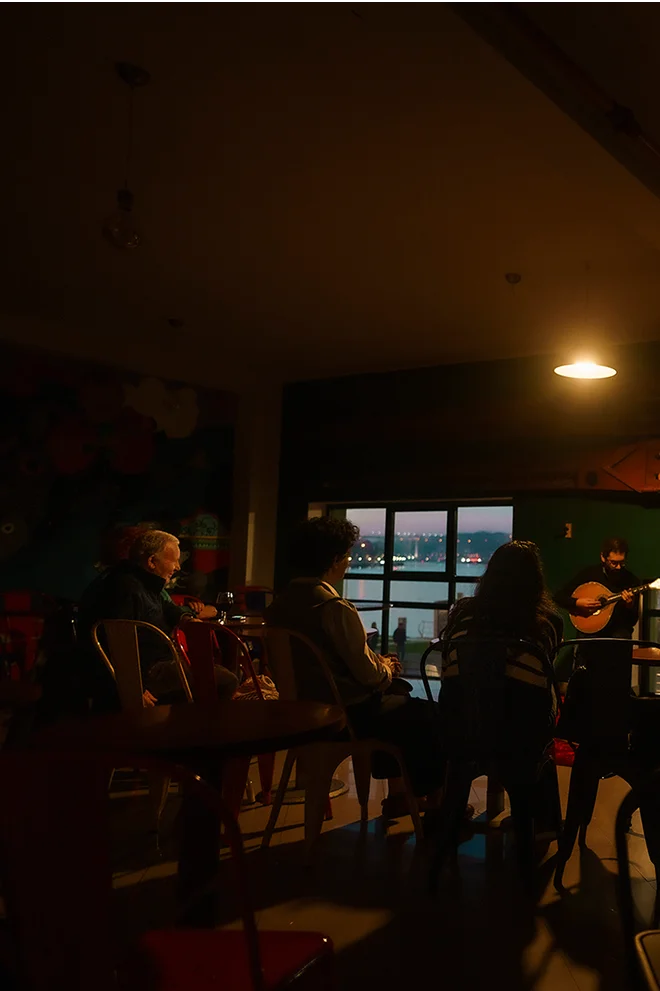
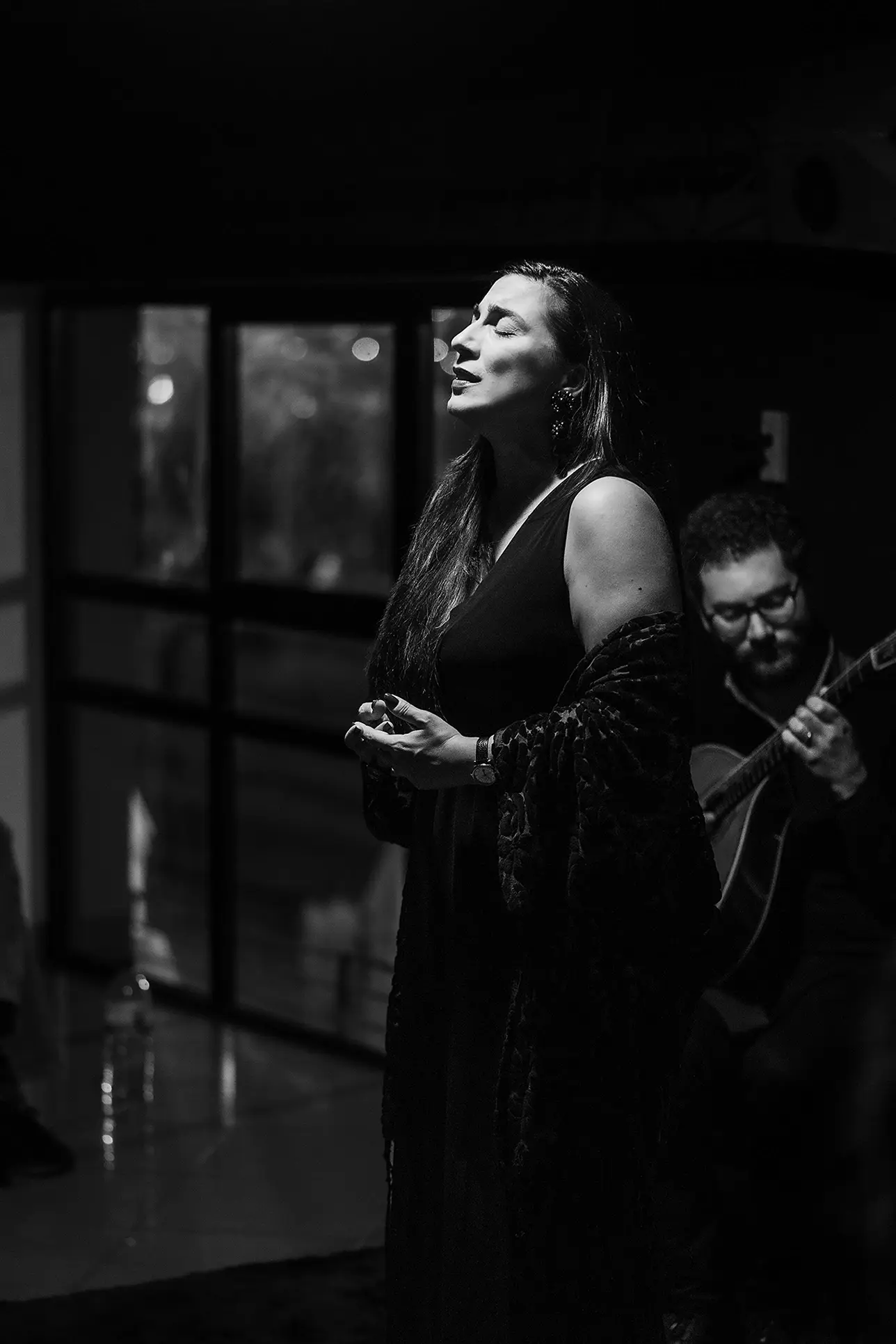
From Silence to Melody
In the moment silence sets in, magic is born. It is at this moment that Fado awakens, coming to life in every sound that emerges. The quiet prepares the way for the melody that tells stories, reveals secrets, and touches the heart.
Each note is a bridge between past and present, a dialogue of emotions that need no words to be heard. It is in the contrast between silence and music that true enchantment is created, where the soul meets and is set free.
Here, Fado is not just heard — it is felt, lived, and shared, transforming silence into melody and melody into memory.
How Cais Do Fado Was Born
Cais do Fado was born from the deep connection between two musicians, united by a common passion for traditional Portuguese music, and more precisely for Fado. Over ten years ago, Luís Lumini, on the Fado guitar, and Marco Quaresma, on the Portuguese guitar, crossed paths for the first time at the Clube Fluvial de Remo, in Cais de Gaia — a space that, at the time, hosted a restaurant with the charm of Fado vadio, where music was made without haste, with the freedom and spontaneity typical of this art.
It was in that unique environment, where the notes of Fado mingled with conversation and wine, that the friendship between Luís and Marco began to take shape. They played together naturally, without grand plans, simply because Fado united them. The intimate and history-laden atmosphere of that space became the cradle of a connection that would give rise to Cais do Fado.
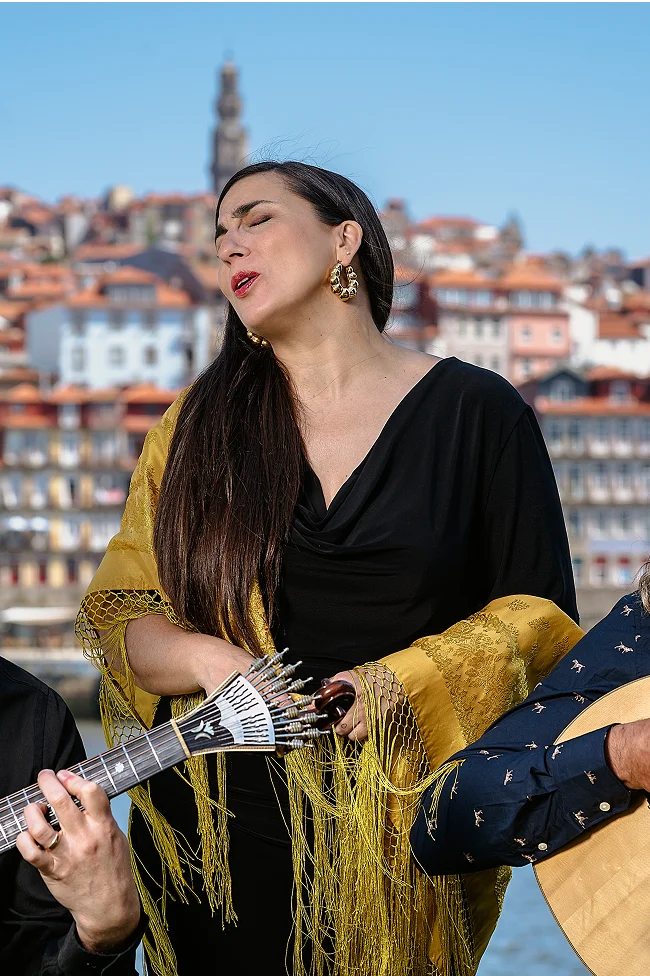
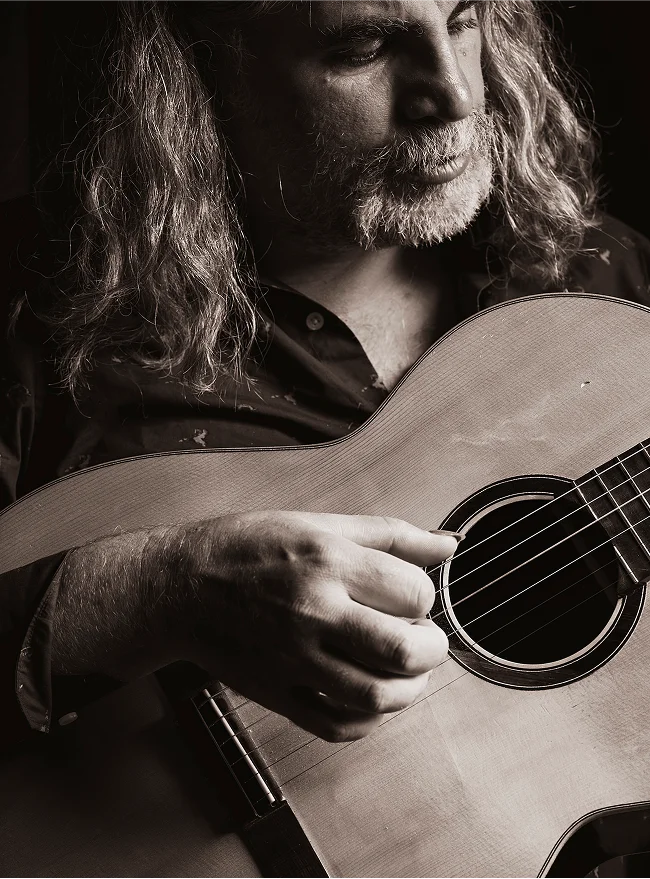
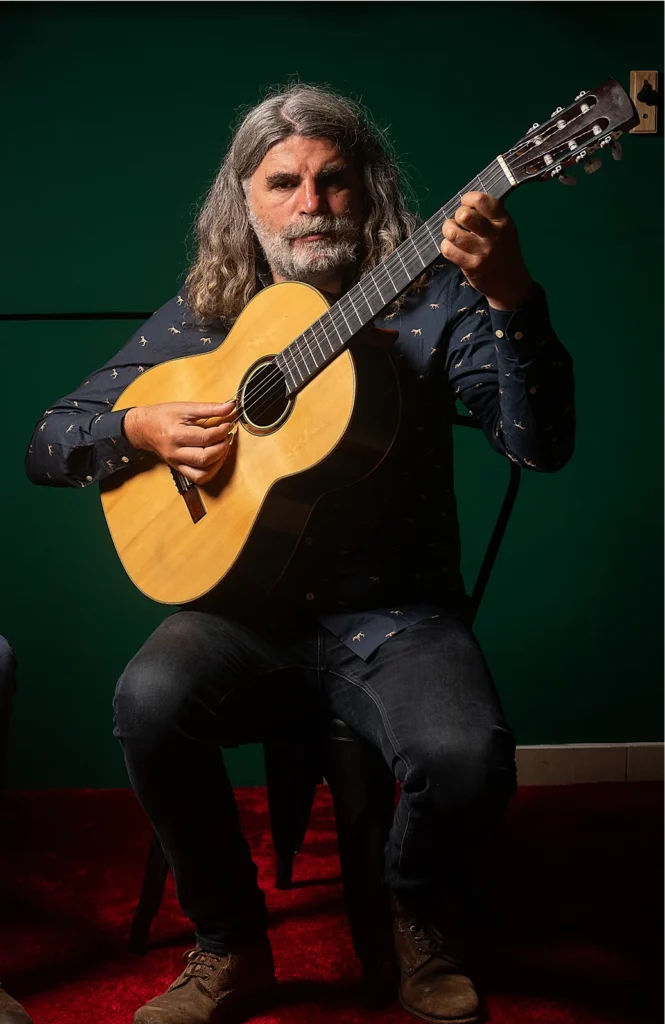
Luís Lumini
He began his musical studies at the age of six at the BPA school, where he attended courses in music theory, piano, and guitar. He was a student at the Conservatory of Music of Porto, in the areas of music education and double bass — an instrument he also studied at the CAIÚS school, under the guidance of Pedro Abrunhosa, Mário Azevedo, Rui Ferreira, José Prata, and Paulino Garcia.
With a diverse career, Luís co-founded projects such as Blusie, Bandemónio, Lucky Stereo, Putos, and Zoshu, participated in the recording of several albums as a musician, composer, and producer, and held pedagogical leadership roles in music schools. He is also the creator of innovative projects and ideas, with a deep appreciation for culture, art, and moments that unite people.
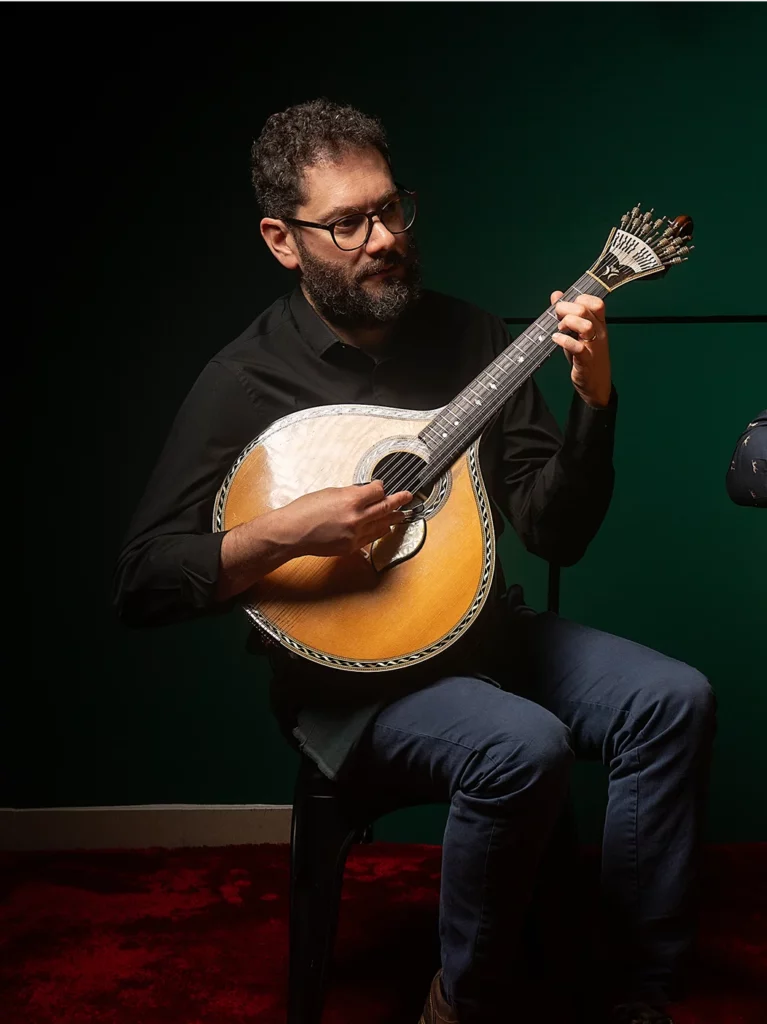
Marco Quaresma
Marco Quaresma began playing the trumpet at the age of 11 in the Banda Filarmónica Recreio Musical Ribeirinhense and, at 14, joined the Conservatório Regional da Horta to learn organ, but found his true passion in strings. He completed the 6th grade of Classical Guitar and later taught at the Conservatory. He participated in rock bands and popular music groups, playing electric guitar and cavaquinho. In 1998, he joined the band Lira Açoriana and represented the Azores at Expo 98.
In 2004, his father gave him his first Portuguese Guitar and, in 2005, he moved to Porto to study at the Escola Superior de Música e Artes do Espetáculo. In 2019, he returned to the Azores to work at Teatro Faialense, but returned to Porto in less than a year. He taught Musical Expression in Matosinhos and Classical and Portuguese Guitar in various schools in Porto. Since 2014, he has performed in various venues with different Fado musicians, standing out in the projects Fado Consentido and Vila Navio.
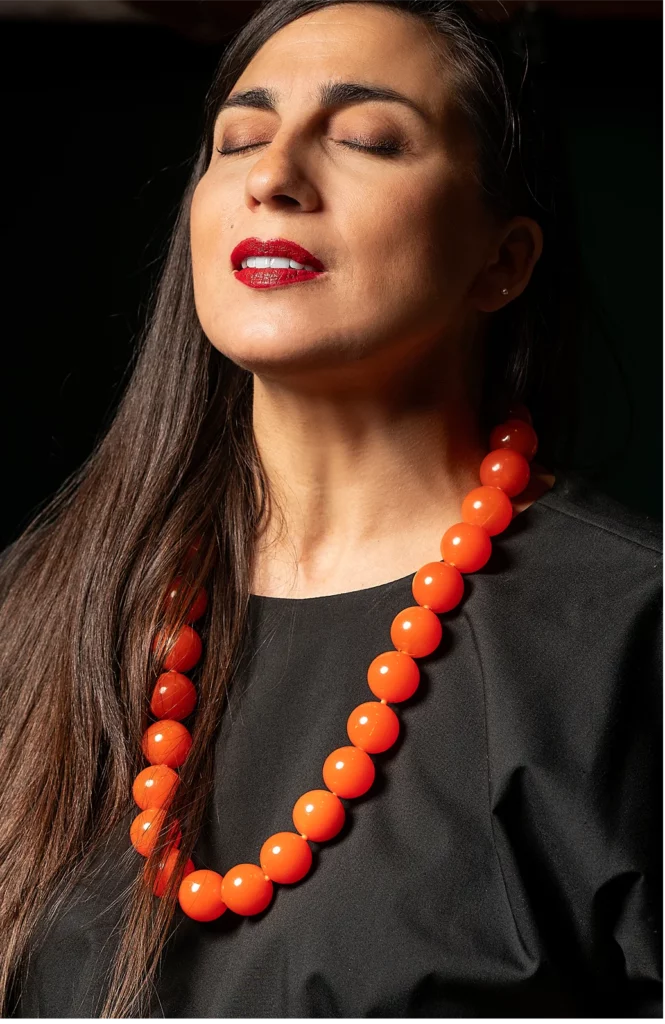
Patricia Costa
Patrícia Costa is a professional fado singer, residing in the city of Porto. She debuted singing Fado at the age of 8, at the now-defunct Teatro Jordão, in Guimarães. She completed the Complementary Course in Musical Training at CCM – Conservatório Regional das Caldas da Saúde.
She has performed in numerous renowned venues, such as Teatro Rivoli, Teatro Sá da Bandeira, Coliseu do Porto, Palácio da Bolsa, Palácio do Freixo, Casa da Música (Porto), Centro Cultural Vila Flor (Guimarães), Casa das Artes (Vila Nova de Famalicão), among other theaters and municipal auditoriums across the country. Outside Portugal, she has performed in Finland, South Africa, several times in Spain, Switzerland, and Germany; she was invited by ESMAE to participate, with the Saxophone Quartet, in the “Rencontres Musicales de la Méditerranée”, in Corsica, in 2007. She was also invited for the “Fado no Museu” cycle, at the Museu do Vinho do Porto, in 2014, and performed on the “Porto” stage of the Caixa Ribeira festival, in June 2015.
She released her first original album, “Um Cantar Velado e Lento”, in 2010. She has been a resident artist at the fado house “O Fado”, in Porto, since 2009.
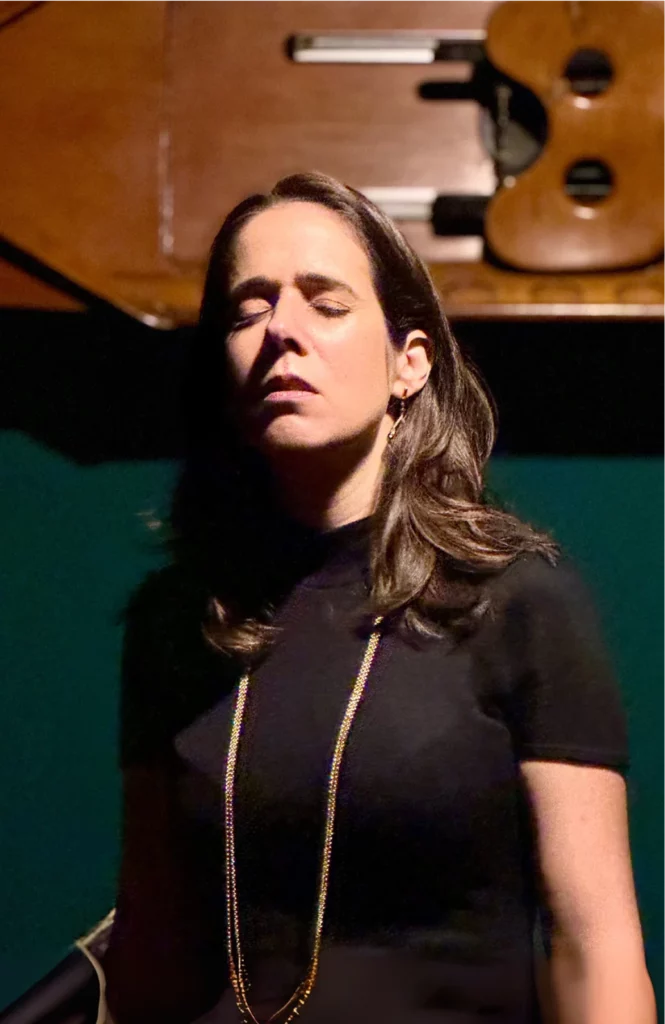
Ana Ferreira
Born in Braga, Ana Ferreira began her musical studies at the São do Souto Primary School and later at the Calouste Gulbenkian Music Conservatory in Braga. She continued her education at the University of Aveiro and the Escola Superior de Música e Artes do Espetáculo (ESMAE), in Porto. Between 1999 and 2013, she dedicated herself to artistic teaching and performance as a singer, choral and artistic director in projects of classical, popular, traditional, jazz, and children’s music.
In 2012, she had her first contact with Fado through the Dualogum project, which sparked a new passion. In 2014, she was selected as a resident singer and pianist for the Tardes de Fado at Quevedo Port Wine. She participated in Bragafado in 2015 and won the Viana Canta o Fado contest in 2016. Since then, she has been a constant presence at Fado events throughout Alto Minho.
Since 2016, she has toured Luxembourg, Belgium, and Germany, accompanied by Miguel Braga on the Portuguese guitar. In 2017, she won the IV Fado Contest of Lordelo do Ouro and Massarelos and regularly performs in hotels, restaurants, and fado houses. She is currently part of the casts of Santo Fado, in Porto, FATUM, in Valença, and Adega do Lagar, in Covas.
Andreia Alferes
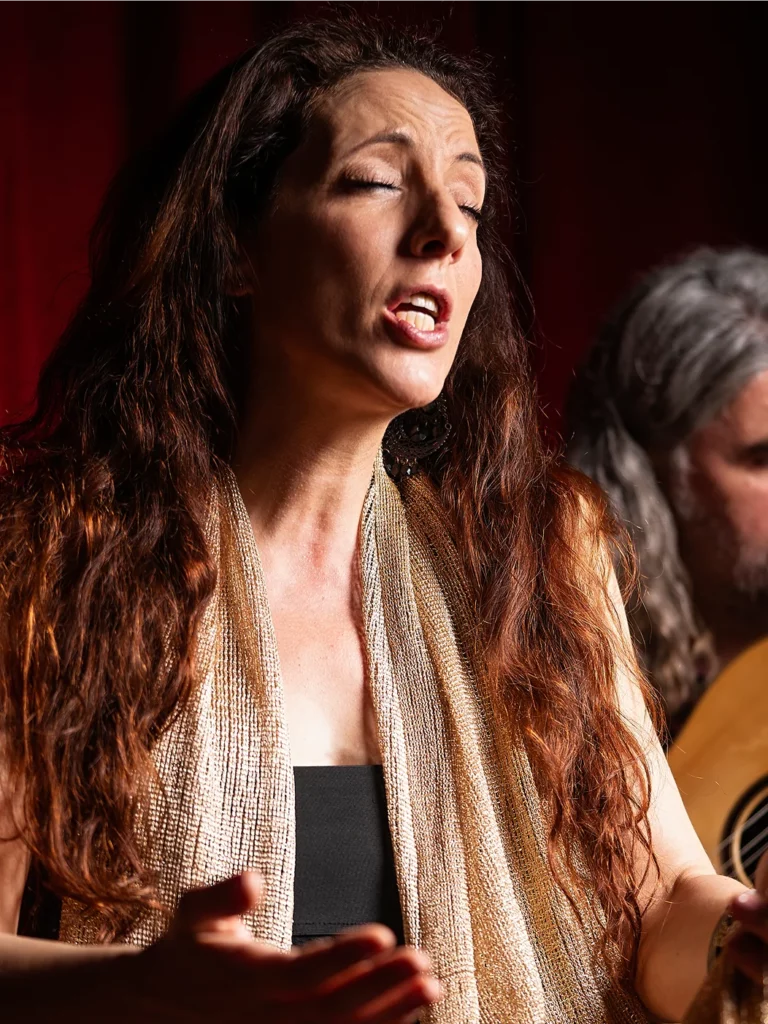
Born in Vagos, Aveiro, Andreia Alferes takes her passion for words, her people, and above all, her identity seriously. Surrendered to Fado, she revives in it all the experiences that the memory of the senses allowed her to gather.
As a true collector of experiences, she has performed in recent years on stages, concert halls, and fado houses across the country. In collaboration with excellent musicians, she brings to life a journey where many poems of her own authorship merge with the most traditional melodies of the Portuguese guitar.
When singing, she seeks to keep alive that fertile ground that is Fado in its most traditional aspect, making her art echo a message of tradition, culture, hope, love, and peace.
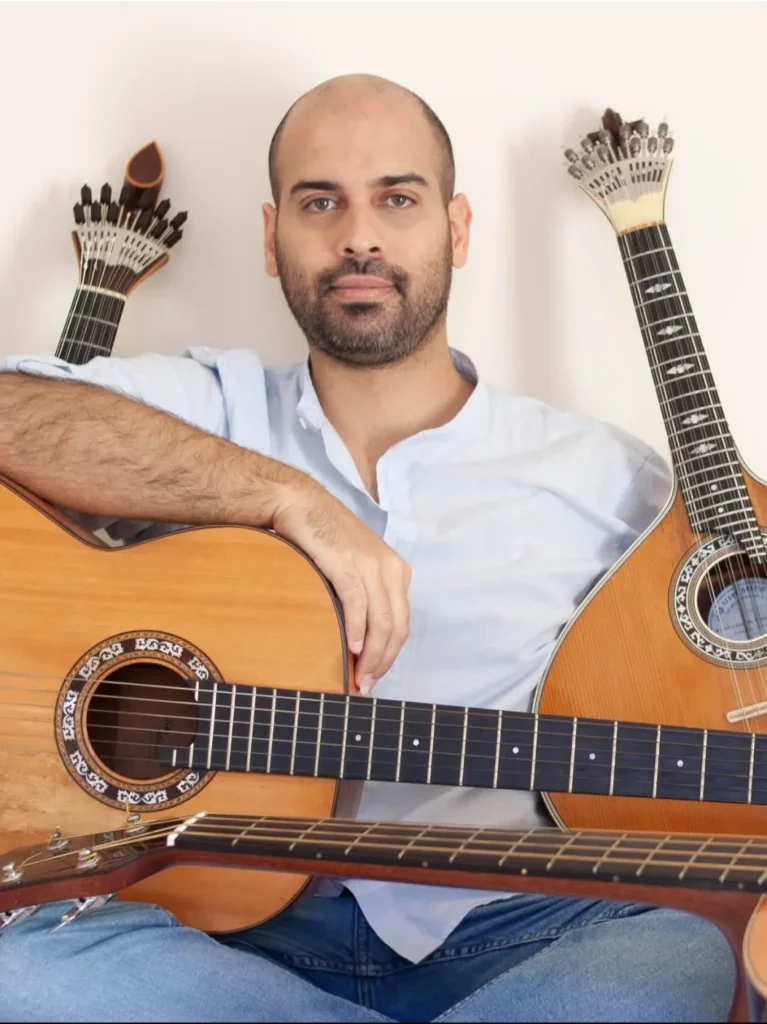
Pedro Martins
Pedro Martins is a fado singer, musician, lyricist, and composer, born in 1990 in Buarcos (Figueira da Foz). He studied classical guitar at the Maestro David de Sousa Conservatory and learned Portuguese guitar self-taught at the age of 18. He actively participated in the Orfeão Universitário do Porto in various musical and choral groups.
Graduated in Communication Sciences, he has dedicated himself exclusively to Fado since 2015, settling in Porto. He regularly performs as a fado singer, violist, and guitarist in fado houses and events, in Portugal and abroad.
As a composer, he has signed several works for himself and other fado singers, highlighting collaborations with Patrícia Costa. In 2019 he released his first album with 14 original fados, where he sings and plays various instruments.
Pedro Martins advocates Fado as a popular and democratic expression, feeling comfortable both in Fado Vadio and on more formal stages.
Samuel Cabral
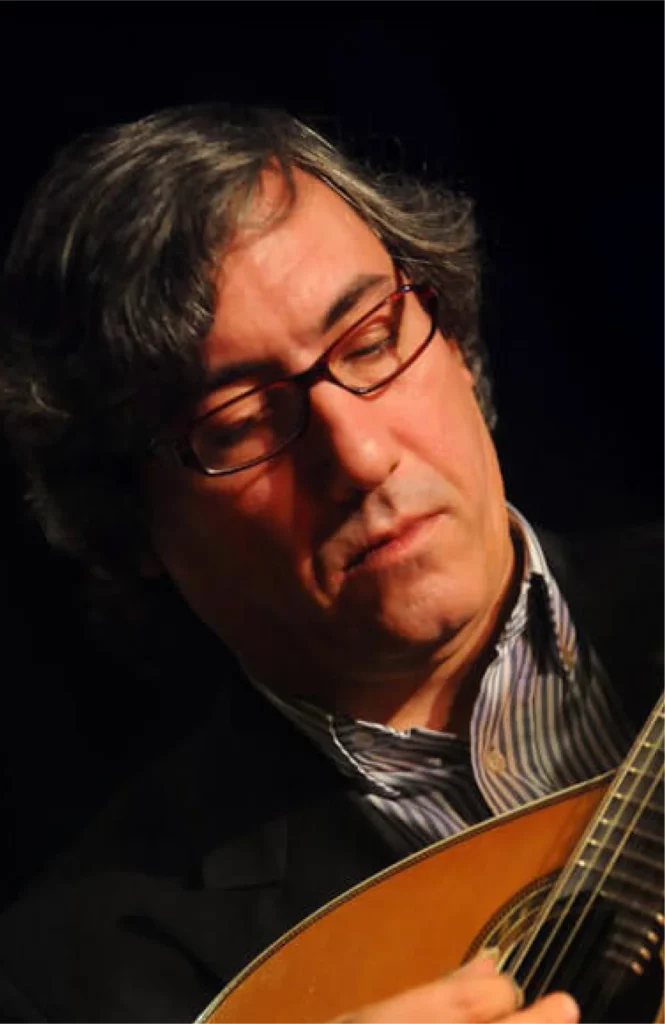
Samuel Cabral began his studies in Portuguese guitar with Guilherme Mendes and Alexandre Brandão. Between 1984 and 1990 he lived in Paris, where he participated in fado projects and was a resident musician in iconic restaurants.
Upon returning to Porto, he joined the cast of Taverna S. Jorge and developed a multifaceted career between fado, theater, and television. He accompanied great names such as Camané, Fafá de Belém, António Zambujo, Mafalda Arnauth, and Hélder Moutinho, in addition to performing at festivals and tours in various countries in Europe, Africa, America, and Asia.
He collaborated on television programs and was a resident musician of “Portugal no Coração” for three years. He also participated in theatrical projects with names like Filipe La Féria and Sérgio de Azevedo and was present at major cultural events, such as Expo’98 and Porto 2001.
He recorded two solo albums and contributed to numerous collaborations as a guitarist and composer, establishing himself as a reference in Portuguese guitar.
Yuri Reis
Born in Rio de Janeiro and based in Porto, Yuri Reis found in Fado a passion that shaped his artistic path. With diverse musical training and great respect for the history and masters of the genre, he combines refined technique with an emotional and authentic interpretation, conveying all the intensity and melancholy characteristic of Fado.
Recognized for his sensitivity and musical rigor, he captivates both the local audience and visitors seeking a genuine Fado experience in Porto. His style combines tradition and modernity, respecting the roots of the genre while imprinting a personal signature.
He is a resident musician at Restaurante Típico Malcozinhado, one of the most emblematic fado houses in the city. He also performs in venues such as Cais do Fado and Fado na Baixa, contributing to the preservation and dissemination of this unique cultural expression.
João Araújo Coutinho
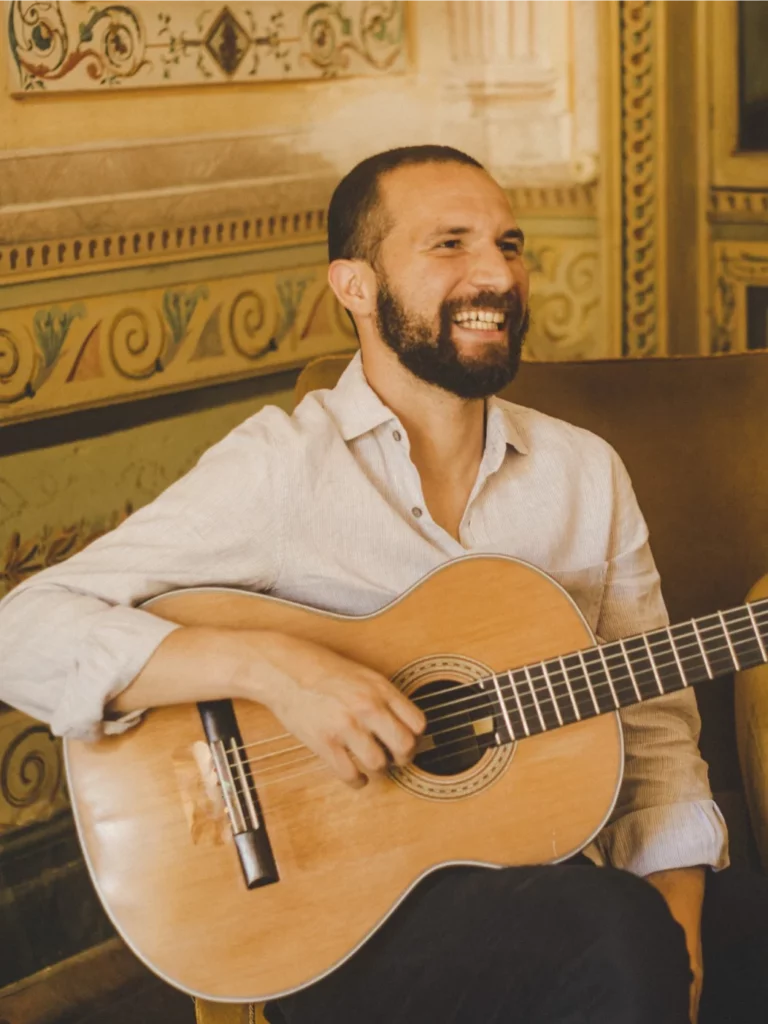
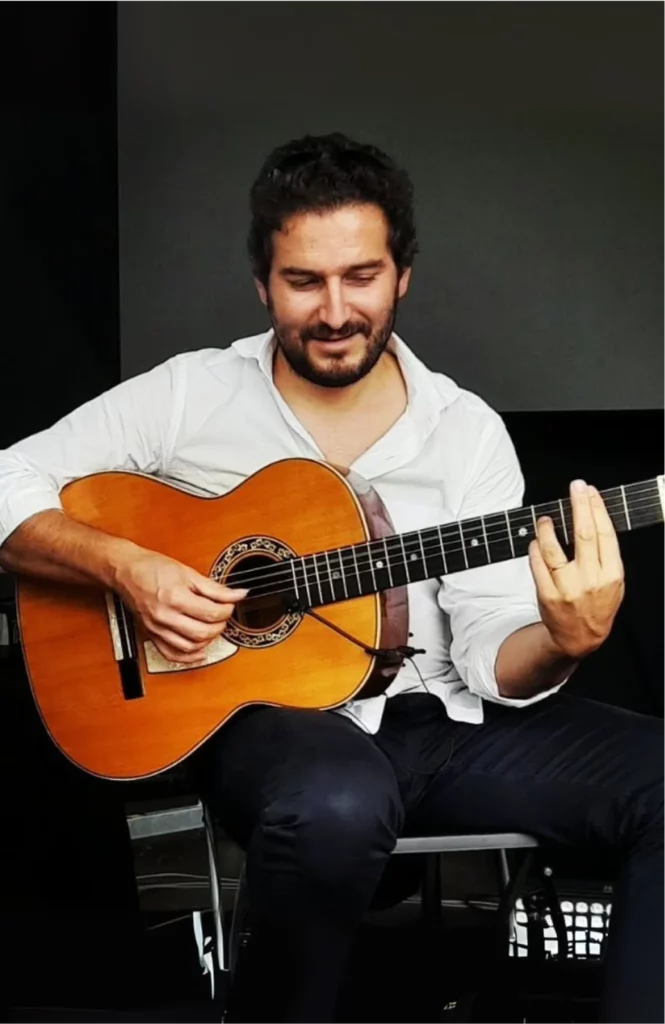
João Araújo Moutinho was born in Porto in 1985 and began his musical studies at the age of nine. He graduated from the Regional Conservatory of Music of Vila Nova de Gaia and earned a degree in Music, specializing in classical guitar, from the University of Minho.
Since 2002, he has accompanied Fado musicians, being a regular presence in the main fado houses in Porto since 2008. Throughout his career, he has played with some of the most prominent figures in the city’s fado scene, such as Valdemar Vigário, Florência, Natércia Maria, Rosinda Maria, Manuel Morais, Fernando João, and Leonor Santos, among others.
He has performed in the main concert halls in the country, including Casa da Música, Coliseu do Porto, Casa das Artes de Famalicão, and Teatro Circo de Braga.
Internationally, he has brought Fado to audiences in Spain, France, Italy, Algeria, and China (Macau). In parallel to his career as a musician, he also develops activity as a luthier, dedicating himself to the construction of traditional Portuguese string instruments.
Nuno Sat
With over 20 years of activity, Nuno stands out for his professionalism, rigor, and an aesthetic sensitivity that uniquely marks each project he signs. He has been developing visual universes for areas as diverse as Fashion, Advertising, Editorial, Jewelry, Product, Interiors, Architecture, Nature, Heritage, and Fine Art, sometimes also assuming roles of artistic direction.
His visual language is strongly influenced by the natural world and the sciences that explain it, but also by the mysteries of fantasy and magic. The result is an organic work, sometimes enigmatic, where refined technique, imagination, and a deep aesthetic awareness coexist.
Although he maintains a well-defined visual identity, Nuno demonstrates a rare versatility, easily adapting to the challenges and objectives of each project, always with a creative, sensitive, and demanding approach.